Three weeks before my first trip to Japan, I stood in a Tokyo-bound travel forum at 1 a.m., panicking about a rail pass I hadn't bought yet. That panic cost me. I overpaid for the JR Pass, booked a hotel 40 minutes from anything interesting, and burned a full day figuring out how to withdraw cash. The trip was still extraordinary — but it could have been cheaper, calmer, and better paced.
This is the guide I wish someone had handed me then. It's built for a first time visitor guide to Japan: what to sort before you fly, how to move around without wasting money, and how to shape an itinerary that actually fits your trip length. No fluff, no idealized itinerary I'd never follow myself.
Key Takeaways
- Pre-departure logistics matter more than route planning. Passport validity, visa status, an eSIM, and a working payment method solve 80% of first-trip stress.
- The JR Pass is not automatically worth it. It pays off on long-distance, multi-city routes, not on a Tokyo-only trip.
- Cash still matters. Many small restaurants, shrines, and older shops don't take cards.
- 7 days is a city trip. 10 days gives you a taste of two regions. 14 days is where Japan starts to feel like an actual journey.
- Book Shinkansen seats and popular restaurants in advance during Golden Week and Obon — everything fills up.
What to sort before you fly: the logistics nobody warns you about
A friend of mine landed in Narita last spring with a passport expiring in four months. Japan requires a passport valid for the duration of your stay for visa-free entry in most cases, but airlines often enforce stricter rules, and he was nearly turned away at check-in. He made it. Barely. Don't be him.
Passport, visa, and customs basics
Check your passport expiration date first. Then check your nationality's visa status. Citizens of the US, UK, EU, and dozens of other countries can enter visa-free for short tourism stays, but the specific rules differ. If you're unsure, your country's embassy in Tokyo publishes the current requirements.
The customs declaration can now be done digitally through Visit Japan Web before arrival, which saves you a paper form and a long queue at the airport. I skipped it my first time and spent 25 minutes in a line that the digital lane cleared in three.
Money, cards, and why cash still wins
Japan is not a cashless society, whatever your credit card company's marketing suggests. Convenience stores and chain hotels take cards without issue. Small ramen shops, family-run izakayas, rural shrines, and some taxi drivers still want yen.
Two practical moves:
- Withdraw cash from 7-Eleven or Japan Post ATMs — they accept foreign cards reliably. Bank ATMs at odd hours often don't.
- Tell your bank you're traveling, or your card may get flagged on the first transaction.
- Carry a small coin purse. You will accumulate more 100-yen coins than you expect.
Getting around: rail passes, IC cards, and when each one pays off
Every first-timer asks the same question: should I buy the JR Pass? My honest answer is it depends on your route, not your enthusiasm.

The national JR Pass covers unlimited travel on JR trains, including most Shinkansen lines, for a set number of consecutive days. It's a great deal if you're doing Tokyo → Kyoto → Osaka → Hiroshima in one sweep. It's a losing proposition if you're staying in Tokyo the whole time, because local subway rides aren't covered.
| Route type | JR Pass worth it? | Better alternative |
|---|---|---|
| Tokyo only, 5-7 days | No | IC card (Suica or ICOCA) |
| Tokyo + Kyoto, 7 days | Borderline | Individual Shinkansen tickets + IC card |
| Tokyo, Kyoto, Osaka, Hiroshima, 10-14 days | Yes | National JR Pass |
| Regional focus (Kyushu, Hokkaido) | No | Regional JR pass |
IC cards, explained in one paragraph
An IC card is a reloadable transit card that works on subways, buses, and convenience store registers across most of the country. Suica and ICOCA are the two you'll encounter most. Tap in, tap out, done. Physical cards have been harder to get in some periods due to chip shortages, but the digital version in Apple Wallet works fine if you have an iPhone.
How many days do you actually need?
This is where most first-timers get it wrong. They try to see everything in a week and end up exhausted, staring at a temple they can't remember the name of.
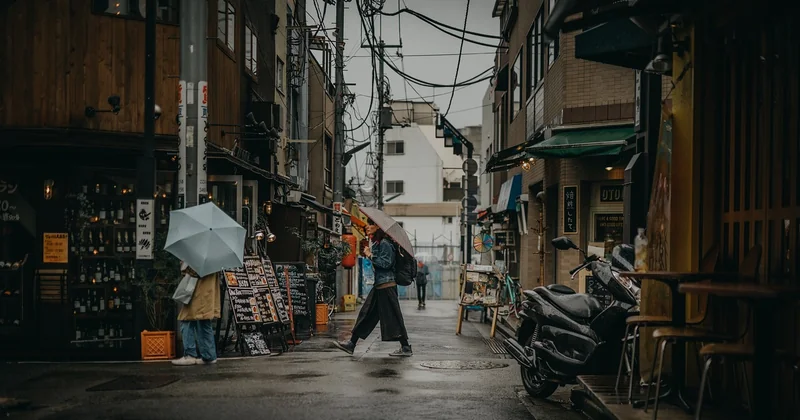
Japan itinerary 7 days: pick one region, not the whole country
Seven days is a Tokyo trip, or a Kansai trip (Kyoto, Osaka, Nara), but not both. Splitting a week between Tokyo and Kyoto means roughly six hours of your trip vanishes into Shinkansen seats. I did this once and regretted it. Stay put, go deep.
Japan itinerary 10 days family: two cities, one day trip
Ten days opens up a comfortable two-city trip. Tokyo for five days, Kyoto for four, with a day trip to Nara or Hakone squeezed in. For families, this rhythm works because kids handle two bases far better than five. Fewer hotel changes means fewer meltdowns — theirs and yours.
Japan itinerary 14 days: the sweet spot
Two weeks is where Japan starts to breathe. Tokyo, Kyoto, Osaka, plus a slower stop — Kanazawa, Hiroshima, or a ryokan in the mountains. You can add a night in a traditional inn without feeling rushed. If you can only take one trip to Japan in your life, aim for fourteen days.
Best places to visit in Japan for first timers with family
Not every famous spot works with kids in tow. Here's what actually holds up:

- Tokyo DisneySea — genuinely unlike any other Disney park, and worth the ticket even for adults.
- Ueno Park and Zoo — museums, a zoo, and wide paths that don't require constant vigilance.
- Nara Deer Park — free-roaming deer that bow for crackers. Kids lose their minds.
- Osaka's Dotonbori — loud, food-heavy, and short enough to walk before anyone gets tired.
- Hakone's Open-Air Museum — sculptures, a hot-spring foot bath, and Mt. Fuji views on clear days.
Skip the multi-temple marathon days that travel blogs love. One temple per morning is plenty for a family.
Mistakes I made, so you don't have to
Let me be blunt about the errors that cost me real money and time.
- Buying the JR Pass without checking my route. I spent on a 7-day pass for a trip that never left Tokyo and Kyoto. Individual tickets would have been cheaper.
- Booking a hotel near a "convenient" station that wasn't. A 40-minute commute each way ate two hours from every day.
- Not reserving Shinkansen seats during a holiday period. I stood for two hours between Osaka and Kyoto because I assumed I could just show up.
- Ignoring restaurant reservation culture. Popular places take bookings weeks out. Walk-ins wait an hour or eat elsewhere.
None of these ruined the trip. But together they cost me roughly a full day and a couple hundred dollars I'd rather have spent on food.
The question everyone asks me
How much will a first trip cost? There's no single number, but here's a rough shape for a mid-range two-week trip: flights are your biggest variable, accommodation runs from budget hostels to business hotels to ryokans, and food can be as cheap as a convenience store onigiri or as expensive as a Michelin dinner. Budget travelers do two weeks on a tight daily figure; comfort travelers spend two to three times that. The lesson isn't a number — it's that you control the ceiling far more than the floor.
Japan rewards preparation without demanding perfection. You will still get lost in a station. You will still mispronounce something and someone will politely help you anyway. That's part of it.
Book the flight. Sort the passport. Skip the JR Pass if your route is small. And leave one afternoon completely unplanned — that's usually the day you remember most.